Search for a Wilmington beach and you land on three separate answers: Carolina Beach, Kure Beach, and Wrightsville Beach. They share a destination brand under the Wilmington and Beaches CVB, but each is its own town with its own rules, crowds, and character. The two causeways run in opposite directions from downtown, so picking the right island before you book is worth a few minutes of planning. Here is how the three compare, and why Wrightsville Beach fits certain trip styles better than the other two.
Key Takeaways
- The Wilmington and Beaches CVB presents Carolina Beach, Kure Beach, and Wrightsville Beach as three distinct municipalities sharing a coastal destination brand, not a single continuous beach.
- Carolina Beach leans into a classic boardwalk and family scene; Kure Beach is quieter and sits closest to Fort Fisher at the south end; Wrightsville Beach is the northernmost island, the most compact, and the easiest to reach from downtown Wilmington.
- No single island is “best.” Each fits a different set of priorities around pace, crowd density, access from the city, and the kind of day you want to build.
- Each island runs its own rules on parking, alcohol, pets, and surf zones; a quick check on the town page before your first trip of the season saves the guesswork.
Table of Contents
- How the CVB frames Wilmington’s three beaches
- Carolina Beach: the boardwalk classic
- Kure Beach: the quieter south end
- Wrightsville Beach: the island closest to downtown
- Matching your trip style to an island
- Rules and logistics: where to check before you arrive
- FAQs
How the CVB frames Wilmington’s three beaches
The Wilmington and Beaches CVB markets the region under a single brand while being explicit that visitors are choosing between three separate municipalities. The CVB’s beaches overview positions each island with its own descriptor: Carolina Beach for the boardwalk-and-family crowd, Kure Beach as the calmer south-end option, and Wrightsville Beach as the northern hub anchored near the city. (Source: Wilmington and Beaches CVB beaches overview)
Each municipality controls its own ordinances, parking infrastructure, and beach access rules independently. Wrightsville Beach posts its rules through the Town of Wrightsville Beach rather than through any county or CVB authority. Carolina Beach and Kure Beach do the same through their respective town governments.
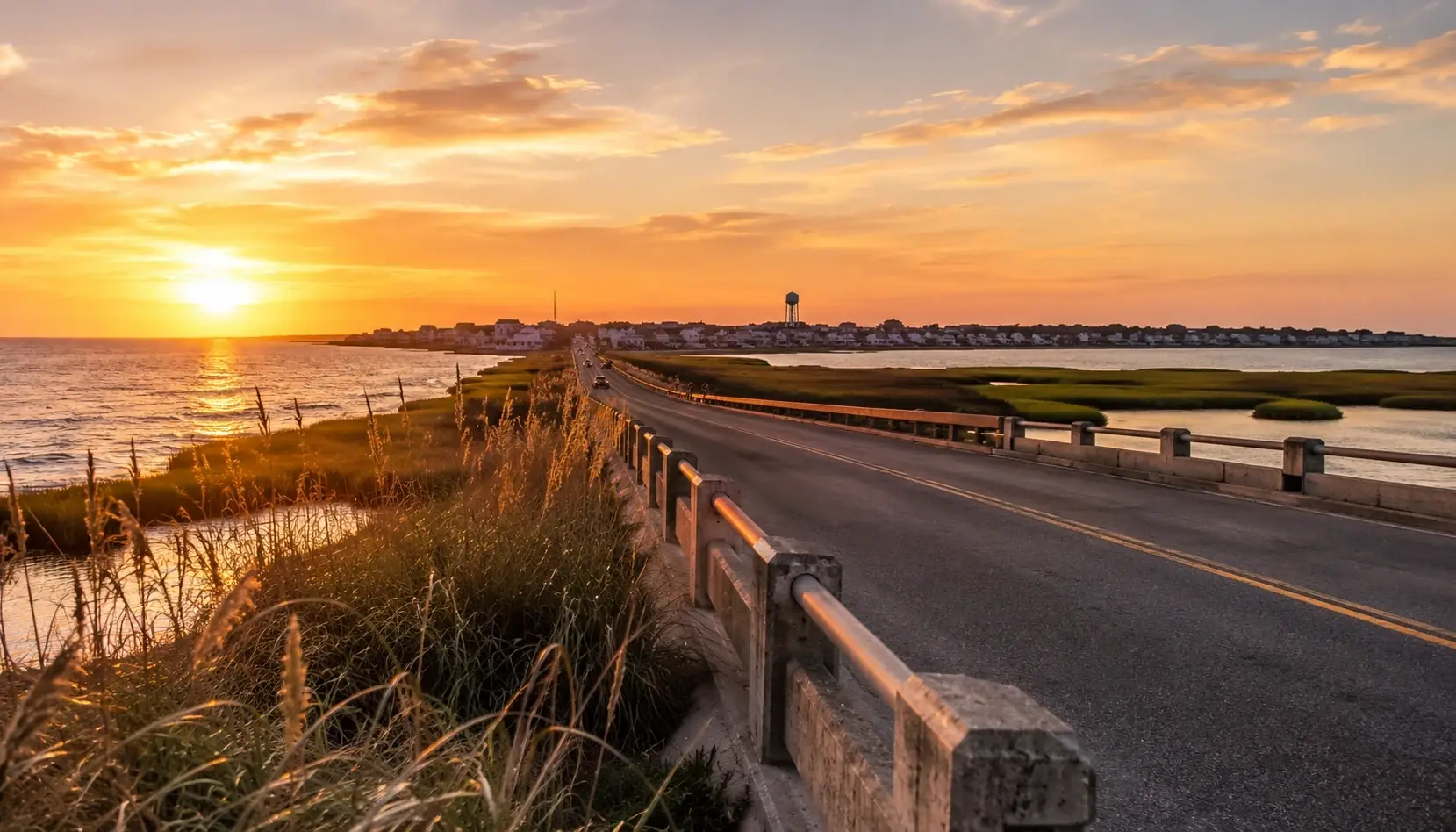
Before you book, it helps to know that the three islands are not interchangeable stops on the same stretch of coast. Visitors who expect one uniform “Wilmington beach” often arrive at one island and realize the other two are separate drives on different causeways. Pleasure Island, which holds both Carolina Beach and Kure Beach, is south of downtown. Wrightsville Beach is northeast. The two causeways head in opposite directions from the city. Pick your island first, then plan your Wilmington visit around it.
Carolina Beach: the boardwalk classic
Carolina Beach sits at the northern end of Pleasure Island, roughly 20 miles south of downtown Wilmington via US-421. The town has a working boardwalk with amusements, restaurants, and an arcade strip that gives it a classic American beach-town energy. If your trip priority is a lively pedestrian scene after sunset or a built-in activity buffer for kids who need more than open sand, Carolina Beach delivers in a way the other two islands do not.
The beach strand at Carolina Beach is wide and accessible at multiple public access points. The town’s Freeman Park area at the north end allows vehicles on the beach (permit required; check the Town of Carolina Beach for current rules and season dates). Vehicle access also means Freeman Park fills quickly on peak summer weekends. Plan to arrive before 9 a.m. if you want a drive-on spot, and confirm the permit process online rather than assuming walk-up availability.
Carolina Beach State Park sits just north of the town, adding a hiking and camping dimension that distinguishes Pleasure Island from the other beach municipalities. The park is home to Venus flytraps growing in their native habitat, which draws visitors with a specific interest in coastal ecology alongside the standard beach crowd. If your group splits between beach days and trail time, the park’s proximity to Carolina Beach gives you more options without an extra hour of driving.
For families with young children who need entertainment infrastructure, including boardwalk rides, ice cream storefronts, and visible commercial activity along the beach, Carolina Beach is usually the most intuitive choice of the three.
Kure Beach: the quieter south end
Kure Beach is the southernmost of the three islands, below Carolina Beach on Pleasure Island. It is a smaller town with a more residential feel, fewer commercial nodes, and a noticeably lower crowd density on most days. Visitors who find the Carolina Beach strip too stimulating often end up at Kure Beach as the corrective.
The Kure Beach fishing pier is a practical landmark for orientation: it extends into the Atlantic and draws pier fishing visitors throughout the season. The beach strand is publicly accessible and generally less packed than comparable summer days at Carolina Beach or Wrightsville Beach. Parking is more distributed and easier to find outside of peak holiday weekends, which matters for visitors who want to avoid the lot-circling routine that comes with higher-traffic beaches.
Fort Fisher State Historic Site and the North Carolina Aquarium at Fort Fisher are both within a short drive of Kure Beach, and both are legitimate reasons to anchor on this end of Pleasure Island. The aquarium draws families with younger children; Fort Fisher adds a Civil War history angle for visitors who want cultural stops alongside beach time. Neither requires staying overnight in Kure Beach specifically, but proximity makes same-day combinations easy without a long backtrack.
Kure Beach is quieter, less commercial, and physically further from downtown Wilmington than either of the other two islands. For visitors who want a low-key beach day without boardwalk crowds and are comfortable with the longer drive from the city, it earns a serious look.
Wrightsville Beach: the island closest to downtown
Wrightsville Beach sits northeast of downtown Wilmington, roughly a 15-minute drive via Eastwood Road and the US-74/76 causeway. That proximity is the clearest practical differentiator. If your trip is centered on downtown Wilmington, including the Riverwalk, the historic district, and the restaurant scene along Front Street, Wrightsville Beach lets you move between the two without committing most of a morning or afternoon to the drive. The other two islands are roughly 40 minutes south in normal traffic. That gap is not trivial across a multi-day visit.
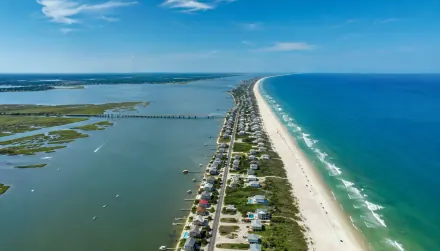
The island itself is compact by design. It is roughly five miles long and narrow enough that you are rarely more than a few blocks from the strand. That layout means most visitors can park once and walk to the beach, grab a meal on Lumina Avenue, rent a paddleboard, or reach the Crystal Pier without needing to move the car again. For travelers who want to minimize driving logistics once they arrive at the beach, the walkability is a genuine advantage over the larger, more spread-out footprints at Carolina Beach or Kure Beach.
Wrightsville Beach has a surf culture history that still shapes the scene today. Outfitters along the causeway and on the island rent boards and offer lessons during the season. The Wrightsville Beach Loop, a paved multi-use trail, circles much of the island for running and cycling and gives the place an active-lifestyle feel that Carolina Beach and Kure Beach do not replicate. The public pier anchors the central beach area and serves as a visible orientation point from the strand. After you settle the comparison-of-islands question, the Wrightsville Beach Loop, pier, and museum walk gives a concrete frame for what the island offers beyond the open sand.
The Town of Wrightsville Beach manages beach access, parking, and ordinances separately from any county or CVB authority. Rules on alcohol, tents, pets, and surf zones are specific to this municipality and enforced by beach patrol officers on the strand daily during the season. Reading the Wrightsville Beach first beach day rules before you arrive is the most efficient way to avoid a fine or a conflict at the access point. The rules are operational guardrails for a small, densely used island; they exist because the island’s compact footprint means everyone is sharing a limited stretch of sand.
Accommodations at Wrightsville Beach skew toward mid-range to higher-end vacation rentals, with some hotel options closer to the causeway. There is not a budget motel strip here in the way Carolina Beach has more varied price tiers. Families planning an overnight stay who need to balance cost, proximity to water, and kid-specific amenities will find a practical breakdown of options in the guide to where to stay with young kids at Wrightsville Beach.
Kayak launches, surf lessons, and the Loop trail attract a mix of locals on weekday mornings and visitors anchored nearby for a few nights. The island works well as a day trip from downtown Wilmington or as the anchor for a longer coastal stay.
Matching your trip style to an island
The choice mostly comes down to what your group wants the day to feel like and how far you are willing to drive from wherever you are staying.
Families with young kids who need more than open sand usually do best at Carolina Beach. The boardwalk, the commercial strip, and the Freeman Park vehicle-access beach provide built-in entertainment that Kure Beach and Wrightsville don’t replicate. It is the busiest of the three, which is a feature for some and a dealbreaker for others.
For a quieter day, Kure Beach is the answer. Crowds are thinner, the commercial footprint is smaller, and Fort Fisher plus the aquarium give you a solid backup if the beach day runs short or the weather turns. The real trade-off is the longer drive from the city.
Wrightsville Beach earns its place for visitors anchored downtown. The short causeway drive, the compact island grid, and the concentration of surf and paddling outfitters give it a logistics edge that Pleasure Island can’t match when your home base is in the city. It is also the easiest island to pair with a Riverwalk dinner on the same day without rushing.
If your group is split across different preferences, a day-trip-each approach works well for multi-day visitors staying downtown. Drive to Wrightsville one day, take US-421 south to Pleasure Island another. The differences in pace, crowd composition, and physical layout are real enough to matter to your group’s experience on the ground.
None of the three islands have unlimited parking, and peak summer weekends fill lots early. Arriving before 10 a.m. is the practical floor on busy days; before 9 a.m. on Memorial Day weekend or the Fourth of July. Check the town pages for current parking rates and lot locations the day before your visit. The Town of Wrightsville Beach posts a parking map with meter information that is worth pulling up before you go.
Beach patrol and ordinances on the sand are municipal, not county-level. The rules you encounter belong to the town you chose.
Rules and logistics: where to check before you arrive
The fastest way to start a beach day on the wrong foot is to assume the rules at one island apply at another. Alcohol policies, pet hours, tent size limits, drone restrictions, and surf zone boundaries are all set independently by each municipality and can change season to season. Read the correct town page for your island before your trip, not after you arrive.
Wrightsville Beach: The Town of Wrightsville Beach Beach Information and Resources page is the authoritative source for surf zones, alcohol rules, tent size limits, pet hours, and parking. (Source: Town of Wrightsville Beach) The town updates this page seasonally; confirm rules before your first trip of the year even if you have visited before, since details shift between seasons. The CVB seasonal microsite links to this page as well, so either starting point will get you there.
Carolina Beach: The Town of Carolina Beach covers Freeman Park permits, alcohol rules, and ordinances specific to the boardwalk district. Vehicle beach access at Freeman Park requires a permit and has specific requirements on tire pressure and flag placement; check the permit page before assuming drive-on access is available on your target date. Freeman Park has permit-based capacity limits, and popular dates sell out.
Kure Beach: The Town of Kure Beach covers their specific regulations. Rules are generally less operationally complex than Wrightsville Beach given the lighter commercial density, but alcohol and pet rules still differ from the neighboring town to the north. Do not assume that what applies at Carolina Beach also applies at Kure Beach.
All three: The Wilmington and Beaches CVB beaches overview links to each town’s official resources in one place if you want a single starting point before drilling into the specific town page for your chosen island. That overview is a useful orientation but is not a substitute for the town’s current ordinance page.
The practical checklist for any of the three islands: arrive early on summer weekends, have your parking payment method ready (most beach lots are app- or card-pay), read the town ordinance page for your island the day before your visit, and book your Freeman Park permit in advance if you plan to drive onto the beach at Carolina Beach.
The three-island question does not have one right answer. It has three good ones, each fitted to a different trip style. Start with the island, then build the day around it.
FAQs
Can I realistically visit both Pleasure Island and Wrightsville Beach on the same day?
You can, but it is a long day. Pleasure Island and Wrightsville Beach are on opposite sides of downtown Wilmington, each reached by a separate causeway. The drive between them through the city runs roughly 40 to 50 minutes in typical traffic. Most visitors on a multi-day trip split them across different days rather than trying to drive both in a single afternoon. If you only have one day, pick the island that fits your priorities and stay long enough to actually use it.
Which of the three beaches is the best base for surfing, paddleboarding, or kayaking?
Wrightsville Beach has the highest concentration of water sport outfitters in a walkable area. Surf schools and paddleboard and kayak rentals operate along the causeway and on the island throughout the season. Carolina Beach and Kure Beach have their own beach recreation options, but neither matches Wrightsville’s density of on-water rental outfitters within easy reach of the strand. If active water recreation is the main reason for the trip, Wrightsville is the clearest answer.
Do the Wilmington beaches allow dogs on the sand?
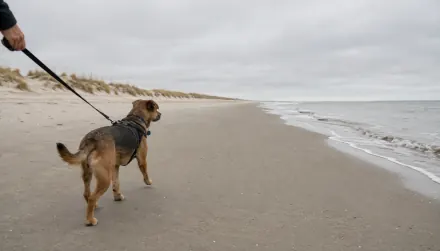
Each municipality sets its own pet rules, including whether dogs are allowed on the beach and during what hours. Those rules differ between islands and can change between seasons. Before arriving with a dog, check the official beach ordinance page for your specific island rather than assuming another island’s rules apply. Wrightsville Beach’s Beach Information and Resources page covers current pet hours alongside alcohol, tent, and parking rules. Carolina Beach and Kure Beach post their own ordinances at their respective town sites.