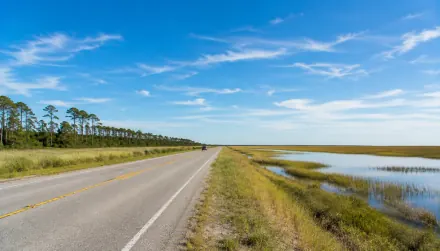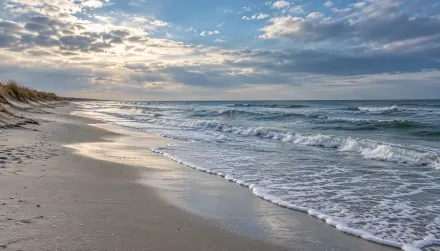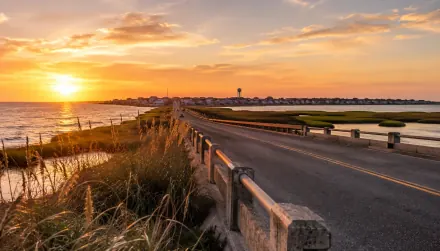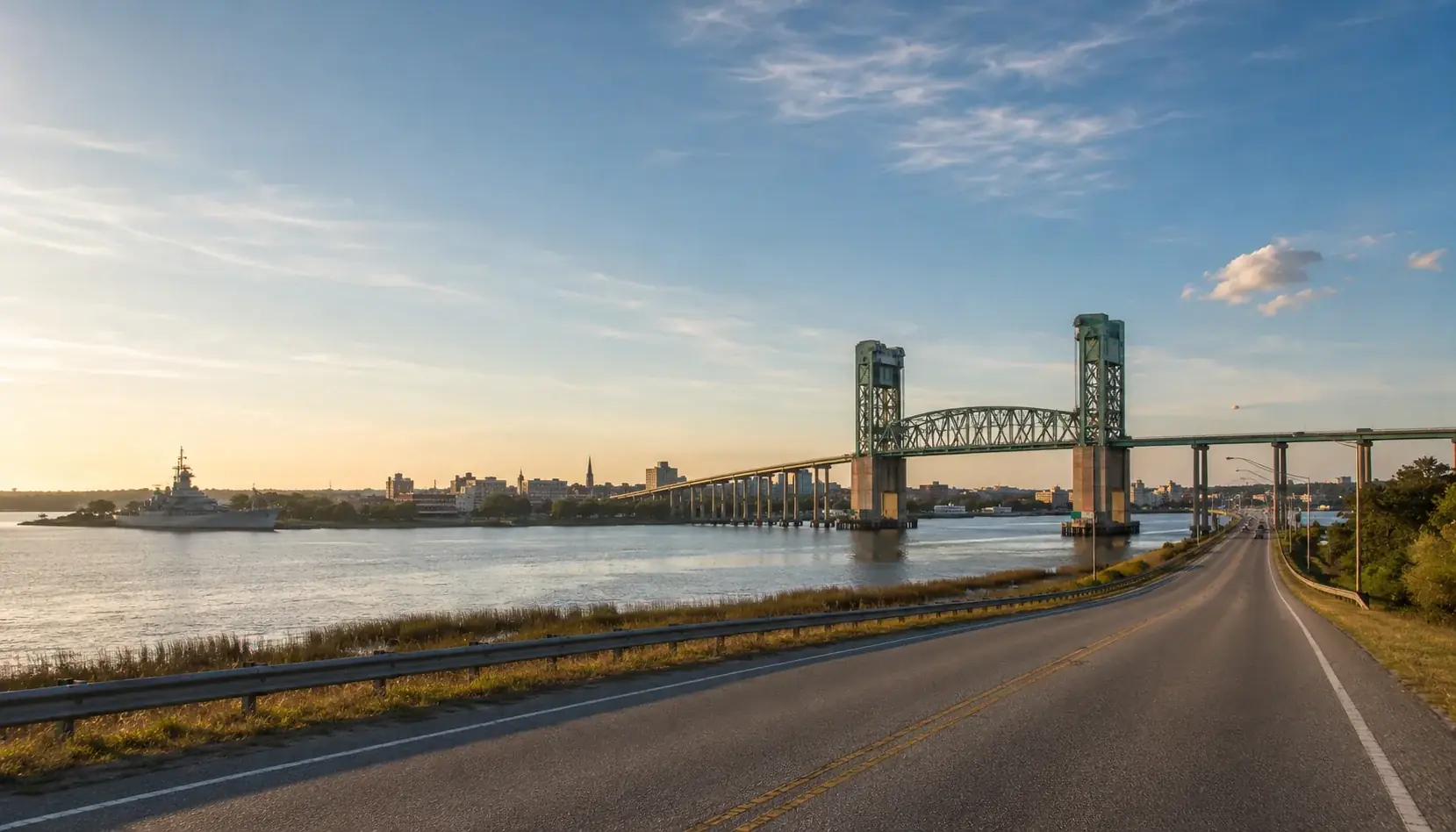
For an Atlanta beach trip, Wilmington makes sense when you want to divide your stay between the sand and a historic river city. Tybee pairs a beach stay with Savannah, while St. Simons offers a beach-and-village base in the Golden Isles. Start with the outings your group wants, then compare travel from your own address. Wilmington is a longer drive than many Georgia-coast options, but driving isn’t the only way to get there.
Flying or driving from Atlanta
Wilmington International Airport’s route map lists Atlanta service on Delta, and its arrival and departure board shows Atlanta flights. You don’t have to assume a connection through Charlotte. Check Delta’s schedule for your dates before comparing the trip with driving; a route listing doesn’t guarantee a particular departure or fare.
For the car trip, enter your Atlanta-area starting address and the actual rental or hotel address into a current mapping app. Add your intended stops before comparing arrival times. A downtown destination, Wrightsville rental and Kure Beach rental won’t have the same final leg, and a city-center mileage estimate won’t include those differences.
| What changes the decision | Driving | Flying to ILM |
|---|---|---|
| Beach gear | You can pack it in your own vehicle. | Check bag dimensions, fees and what the rental supplies. |
| Local outings | Your car is available throughout the stay. | Price a rental car or planned rides to the beach and downtown. |
| Travel time | Use your exact route, breaks and arrival traffic. | Add travel to ATL, airport time, the flight and the trip from ILM to lodging. |
| Total cost | Include fuel, any overnight stop and parking. | Include everyone’s fares, bags, airport transport and local travel. |
There isn’t a universal time or cost winner. For a short trip with little luggage, a nonstop flight deserves a look. A family bringing bulky gear may prefer having its own car. Those are planning judgments, not fare comparisons based on a sample booking.
Beach days and time off the sand
Wilmington gives you three beach-town bases. Wrightsville, Carolina and Kure Beach have different layouts and outing options, so pick a base from the things you’ll use most often. Wrightsville suits a trip built around its beach and water activities; Carolina Beach puts the boardwalk in the plan; Kure is convenient for Fort Fisher outings. Moving between them takes road travel, so visiting all three every day would work against a relaxed stay.
Downtown adds the Riverwalk, restaurants and the Battleship across the Cape Fear River. That combination is useful if part of the group wants a break from beach days. A ship tour is still a physical outing with ladders and outdoor areas, so don’t assume every attraction is a comfortable indoor rainy-day substitute.
Tybee’s official visitor guide includes the lighthouse and museum, beach outings and the Tybee Post Theater. You can keep a stay focused on the island or build in Savannah. It doesn’t need to offer the same outings as Wilmington to be a good choice; decide whether that combination is the one your group wants.
On St. Simons Island, the lighthouse, village and East Beach give you another way to combine coast and history. The Golden Isles bureau specifically advises checking tides. Its tide guidance notes that high tide can restrict access at some beaches. Look at the beach you’ll use, rather than treating all of Georgia’s shoreline as the same.
Neither a smaller tidal range nor a surf-town reputation establishes that water is safe for children. Check local conditions, warnings and lifeguard advice at the beach you visit. Compare activities and trip layouts while checking swimming conditions separately.
Planning dinner around your base
A Wilmington stay can include downtown dining as well as beach-town meals. Our downtown restaurant guide compares menus, booking considerations and locations, including the difference between the riverfront and the Cargo District. If evenings downtown are central to the trip, compare the drive and parking from your rental before booking.
For Tybee, decide whether you’ll eat on the island or include Savannah evenings. For St. Simons, look at the restaurants around the village and your lodging. Comparing a shortlist of actual menus is more useful than assuming one destination has better seafood or describing visitors by income or age.
Stops on a Wilmington road trip
Columbia and Florence can be stop areas on an I-20/I-95 route. Put them into your mapping app in that order along with the final lodging address, then inspect the route it returns. Don’t follow a static article as turn-by-turn navigation or assume it represents the fastest route that day.
One optional I-20 / I-95 stop sequence
- Atlanta
Start with the route to your actual lodging.
- Columbia
An optional stop area on this route.
- Florence
Another optional stop area before continuing toward Wilmington.
- Wilmington or your beach town
Finish at your booked location. A Congaree visit needs a separate detour plan.
For a longer break near Columbia, Congaree National Park charges no entrance fee and suggests its 2.6-mile Boardwalk Trail for a one-to-two-hour visit. Check current trail information for conditions. The drive to the visitor center adds to the break, and walking pace or flooding can change the time needed. Allow time for the park as a separate outing.
If you’d rather arrive sooner, choose a meal-and-fuel stop on your actual route. A group facing a long drive can also compare an overnight near Columbia with the nonstop flight. Price and schedule both options instead of assuming either saves money.
Choosing the stay that uses the journey well
Write down three outings you want before choosing the coast. A list built around Wrightsville, the Battleship and downtown dinners points toward Wilmington. A list centered on Tybee and Savannah points toward that pairing; a St. Simons beach, village and lighthouse plan points toward the Golden Isles. There’s no fixed minimum number of nights that makes the drive worthwhile for everyone.
If Wilmington fits, where to stay near its beaches helps turn the outing list into a lodging choice. Leave enough unscheduled time for a beach morning and an evening meal without another cross-town drive.