Go to Masonboro Island for a long walk on an undeveloped Atlantic beach, a look at the salt marsh from the water and a chance to spot shorebirds along the way. The barrier island sits between Wrightsville Beach and Carolina Beach, and you can only get there by boat. A passenger shuttle gives you time ashore without paddling, while a guided kayak trip makes the marsh part of the outing.
There are no restrooms, drinking water taps or lifeguards on Masonboro. If you mainly want a swim with lifeguards nearby, plan a Wrightsville Beach day when guards are on duty. Give Masonboro the day when your group would be happy walking the beach, eating a packed lunch and watching birds from shore. NC Coastal Reserve safety guidance
Why go to Masonboro Island?
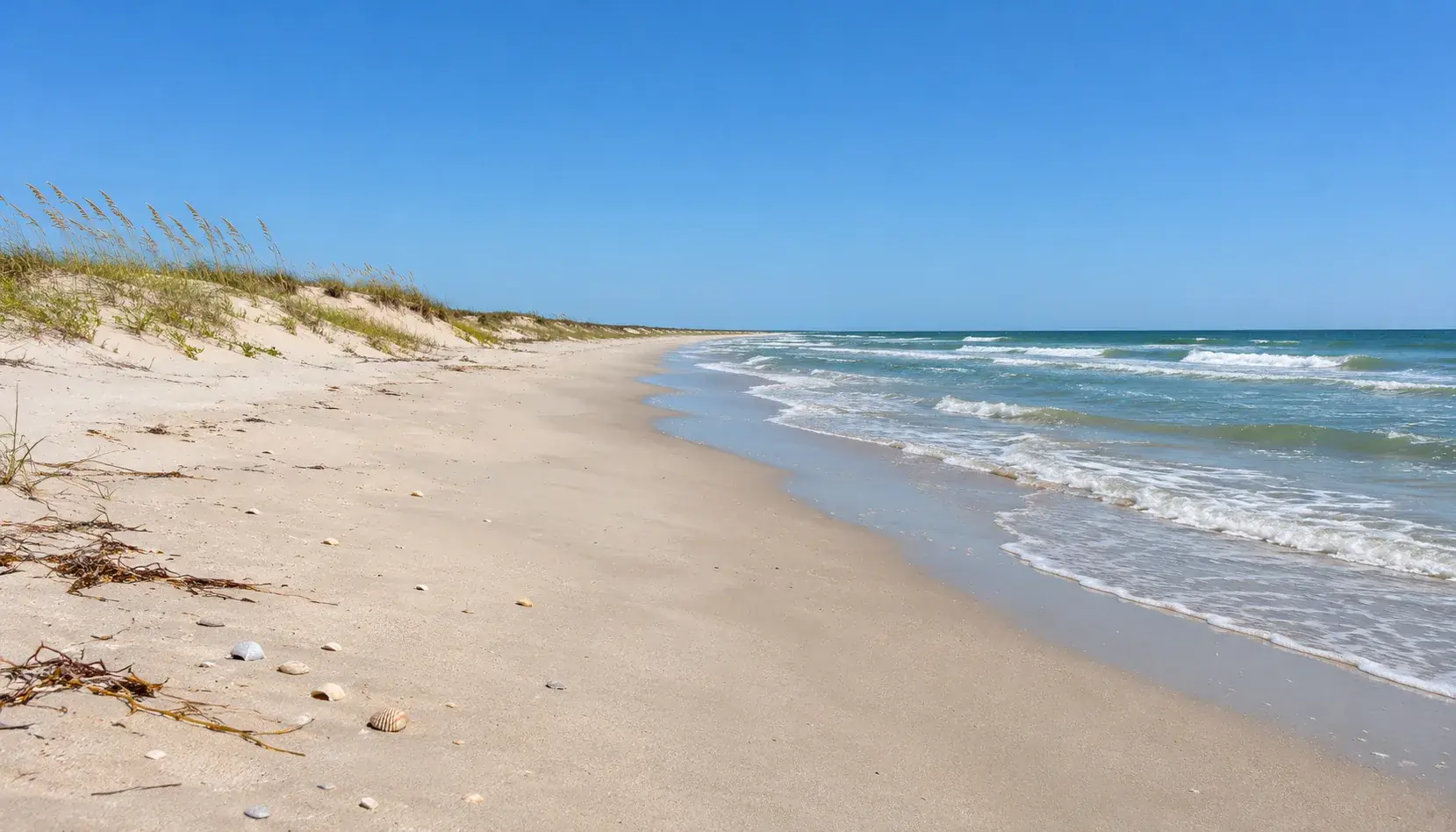
On many boat trips, you first see the marsh and tidal flats on the sound side. They’re most of what the reserve protects. Follow an existing path across the island and the view opens onto the Atlantic beach, with low dunes behind the sand. Those two settings make a short visit feel different from an afternoon spent at one beach access. The NC Coastal Reserve site page describes an island 8.4 miles long and 5,653 acres protected within the reserve. Its virtual tour is a good way to see the difference between the two shores before you go.
For a first trip, plan one main activity ashore. If you want a beach walk and a picnic, look for a shuttle departure with enough time between drop-off and pickup to do both. A guided paddle suits a group that wants to spend more of the outing in the marsh and is happy with a shorter beach stop. The clock to watch is the time the boat leaves Masonboro, especially once you’ve crossed to the ocean side and still have a walk back.
Things to do on Masonboro Island
Walk the Atlantic beach and look for shells
Start with the path across from your landing. Ask your captain or guide which path is open and where you need to be for pickup. Once you reach the ocean, take an out-and-back walk along the strand. Give yourself a turn-around time and allow for the walk across the island on the way back. A small lunch and a refillable bottle packed before departure are easier to carry than a full beach setup if you expect to keep moving.
The line where the last tide left shells and seaweed gives kids a place to search without heading into the dunes. Look closely before putting a shell in your bag and leave anything alive in place. The reserve allows a person to collect up to five dead sand dollars. Leave the vegetation and the rest of the habitat undisturbed. For a beach walk you can do without a boat, see beachcombing near Wilmington. NC Coastal Reserve beachcombing guidance
Watch shorebirds from the beach or the sound
Bring binoculars and pause where you can see an open flat or a stretch of shoreline from a distance. An American oystercatcher’s long orange-red bill and dark head are two field marks you can pick out without approaching it. NC DEQ also lists black skimmers, Wilson’s plovers and least terns among the birds that nest here. Keep well clear of resting flocks and walk around any posted bird or turtle nesting area. NC DEQ reserve wildlife and visitor information and Audubon oystercatcher field guide
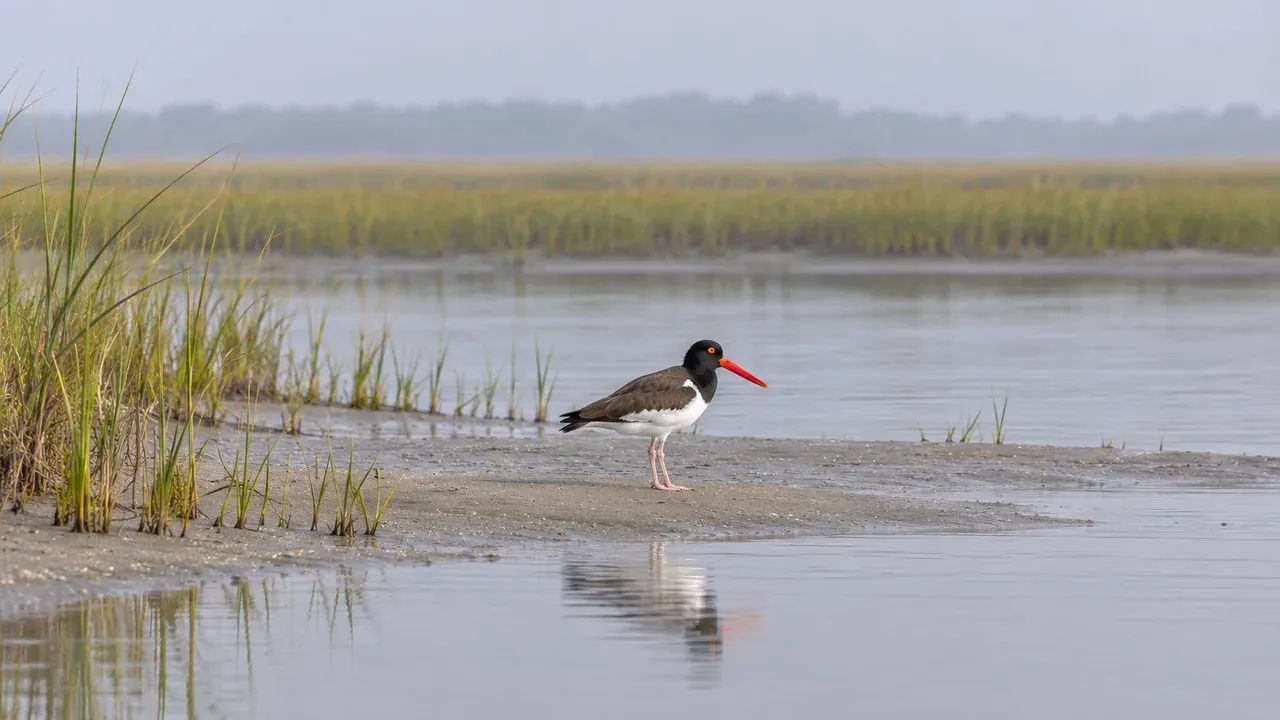
Illustration of an American oystercatcher on a coastal tidal flat.
Dogs must stay leashed throughout the visit. Keep them away from the birds, carry out their waste and ask your boat operator about pet policies first. NC DEQ suggests leaving dogs at home during nesting season. Sea turtles nest on the island too, so give marked areas a wide berth, including on an overnight trip. NC DEQ camping and wildlife guidance and sea turtle nesting on Wilmington beaches
See the marsh from a kayak
On a guided trip, the marsh is part of what you came to see. Kayak Carolina describes paddling through salt marsh creeks, stopping on sand and taking a short path to the ocean beach. If the beach stop is the highlight for your group, ask how much time the outing usually allows ashore. Kayak Carolina’s Masonboro tour
Experienced coastal paddlers can also look up the 2.5-mile marked loop that NC DEQ installed in the reserve in 2026. Orange posts mark the trail. This is a loop within the reserve, separate from the trip out to it. Ask the reserve about current conditions and use the official map. Some parts become inaccessible with lower water. Strong currents, boat traffic and wakes can affect how much your group can comfortably take on. If this is your first time paddling tidal water, book a guide. NC DEQ paddle trail and safety information
How to get to Masonboro Island
Choose how much time you want at the beach and how much of the outing you want to spend on the water. There is no road or bridge to the island. The shuttle is a paid local service, and a sightseeing cruise can be a different booking. Before paying, confirm that you will go ashore, where you board and how you get back. If anyone in your group needs help boarding or walking on soft sand, ask about both ends of the trip.
| How you’ll get there | Where you start | Cost and time | Best fit |
|---|---|---|---|
| Passenger shuttle | Wrightsville Beach Boating Access | About $50 per person advertised. Time ashore depends on the confirmed pickup. | You want to walk the beach or picnic and a scheduled ride back suits you. |
| Guided kayak | Trails End Park with Kayak Carolina | About 2.5 to 3 hours for the whole outing. Ask for the price and expected time ashore. | Everyone wants to paddle and would enjoy a shorter beach stop. |
| Private boat | Public launch options in Wrightsville Beach, Carolina Beach and at Trails End Park | Your costs and timing depend on the boat, launch and conditions. You arrange your own return. | Your skipper knows the local tidal waters and wants control of the schedule. |
Take the shuttle from Wrightsville Beach
Wrightsville Beach Scenic Tours posts its day shuttle at about $50 per person and lists Wrightsville Beach Boating Access, 109 Causeway Drive, as its departure point. It advertises regular summer sailings. Its pages show different departure and return times, so call or text 910-200-4002 to confirm your outbound time, the return you can take and the island pickup point. Get that return confirmed while you’re making the booking, especially if you’re looking at a late outbound trip or a date outside summer.
Book a guided paddle at Trails End Park
Kayak Carolina describes a roughly 2.5-to-3-hour outing with time to explore the island on foot. Its tour includes a kayak, paddle and life jacket, and children 8 and older can come with a parent or guardian. The operator lists its meeting area at Trails End Park in the grass between the pier and the ramp. Ask the outfitter for your total before you compare it with the shuttle.
Wrightsville Kayak Company posts a four-hour Masonboro day rental from the same park. The published figures are about $75 for a single kayak and $125 for a tandem before tax. If you want someone to lead the outing, confirm whether they can provide a guide and what that costs. A rental with a map and basic instruction still leaves the navigation to you.
Go with an experienced private skipper
NC DEQ lists public launch options in Wrightsville Beach and Carolina Beach and at Trails End Park in Wilmington. The county lists the park at 613 Trails End Road, open from 8 a.m. to sunset, with first-come parking and a ramp for kayaks and boats 22 feet or shorter. Boats usually land on the sandy sound side near either end of the island, but landing and return conditions change with wind and tide. Check the reserve map and safety notes, wear a properly fitted life jacket and share your plan and expected return with someone on shore.
What to pack for a day trip
Pack for the hours you’ll spend away from the dock, plus a delay. Bring drinking water for each person, a lunch or snacks, sunscreen, a hat, insect repellent and a small first-aid kit. Shoes you can get wet are worth wearing for a sandy landing. Keep your phone dry and charged and leave your plan with someone on the mainland. Check the forecast before leaving, including what conditions are expected around your return.
Go to the restroom before boarding and set up a way to carry out all waste before you leave. A bag that seals gives you somewhere to put wrappers and food scraps so they stay put in the wind. For a longer stay, bring a portable toilet or a pack-out kit for solid human waste. NC DEQ recommends packing out solid human waste as the preferred camping practice. NC DEQ camping preparation and sanitation
Camping on Masonboro Island
Camping is an option if you already have the transport and equipment for a night without facilities. The reserve allows primitive camping on the uplands for up to two consecutive nights. Use an already established campsite and stay off the dunes and vegetation. A camp stove is the simpler way to cook. If you do build a fire, the Coastal Reserve rules require sand at least 15 feet from vegetation. Bring a fire pan, put the fire out fully and bring the coals off the island. NC DEQ’s camping guidance suggests budgeting at least a gallon of water per person for 24 hours, with more for heat or physical activity.
Arrange the overnight return and mainland parking before packing the tent. New Hanover County prohibits overnight parking at Trails End Park for Masonboro camping. If you don’t have a private ride, Wrightsville Beach Scenic Tours lists a separate camping charter by reservation. Ask the operator where you can legally leave a vehicle and agree to a pickup time and place for the next day.
On a first visit, a beach walk with lunch and a few minutes to watch the flats is plenty. Pick a return that leaves time for the walk back to the boat, then pause on the sound side before you load up. It gives you one last look at the part of the island you may have missed from the ocean beach.