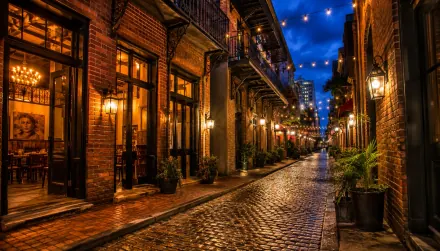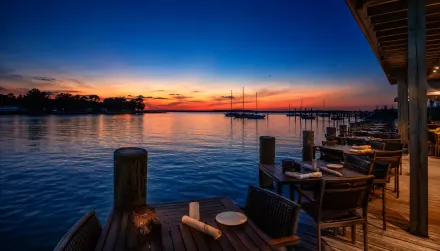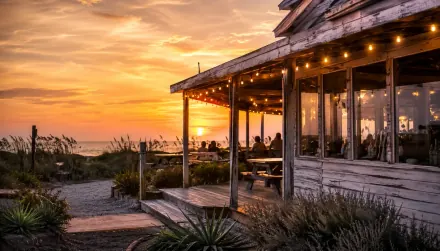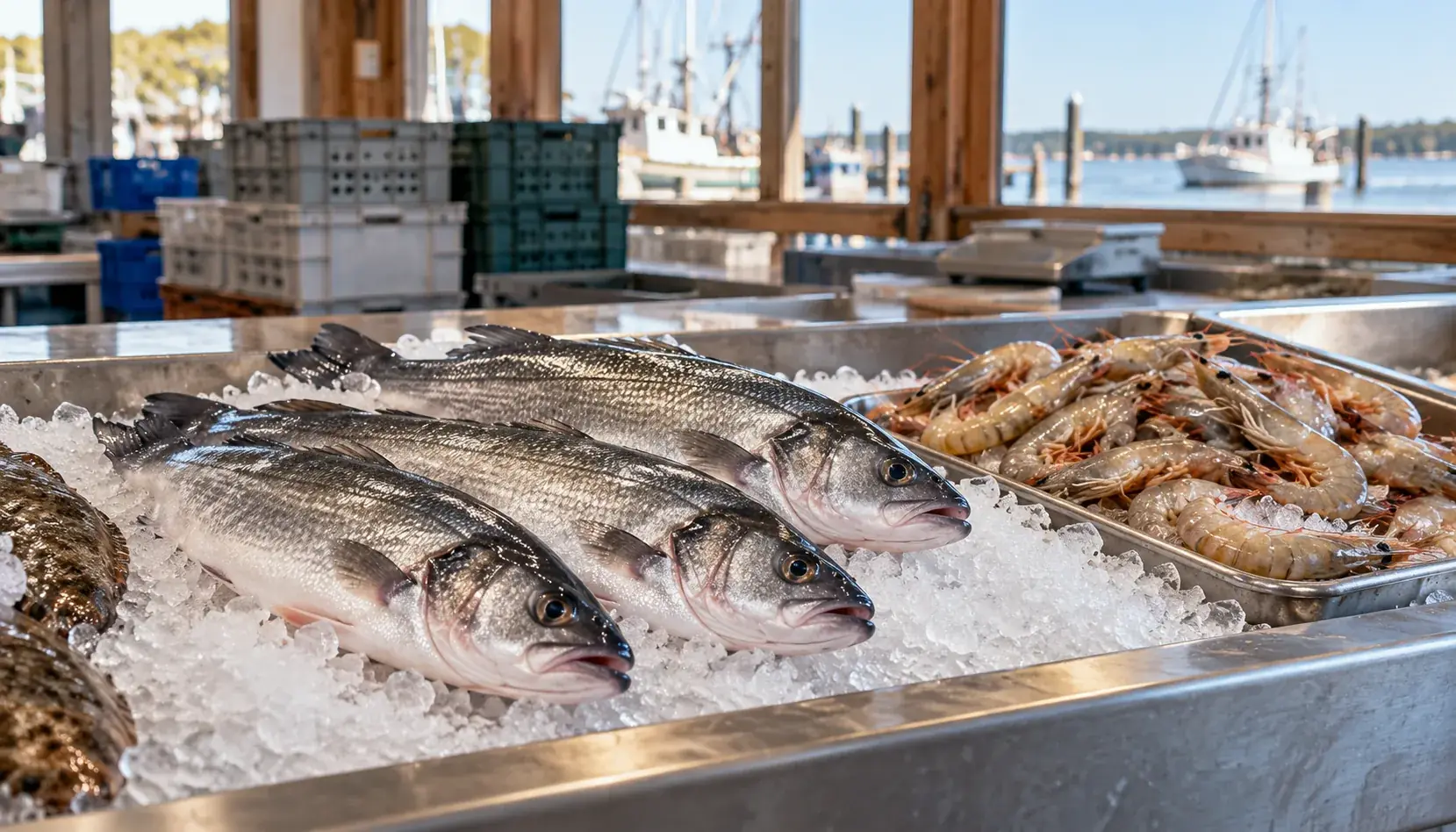
A seafood meal in Wilmington can start with a question about the fish before you decide where to eat. Ask what was caught in North Carolina and what the kitchen is serving today, then choose a restaurant near the part of the coast you’re visiting. Shrimp, oysters and other local seafood have different availability patterns, and a waterfront table alone doesn’t tell you where dinner came from.
You have several ways to try it. Seabird focuses on seasonal seafood downtown; Fish House Grill offers a casual meal by the Wrightsville Beach drawbridge; Michael’s is a Carolina Beach choice for chowder; and Big Daddy’s and Jack Mackerel’s offer Calabash-style seafood in Kure Beach. If your rental has a kitchen, Motts Channel Seafood and Seaview Crab Company give you another option, buying from a fish market and cooking for yourself.
What local seafood means here
Start with the place the seafood was harvested. A fish caught off North Carolina, an oyster grown in a North Carolina farm and a fillet sold at a Wilmington counter can each arrive through a different route. The place you buy something tells you where the transaction happened. To find its origin, you need a little more information.
North Carolina Sea Grant’s seafood primer describes fishermen delivering their catch to fish houses, which prepare seafood for markets and restaurant buyers. A fish house may fillet a fish, head shrimp or process crab before selling it onward. There are also farmed seafood producers in the state. Buying through a market or wholesaler can be part of a local supply chain.
For a diner, the useful question is whether the server can identify the seafood you’re considering. A named North Carolina oyster farm gives you something specific to ask about. So does a fish species with a stated harvest area. A general claim that the restaurant supports local fishermen is useful background, but ask how it applies to today’s special if local sourcing is what brought you in.
It also helps to be clear about the meal you want. You might be choosing dinner because you want to try a North Carolina catch, because everyone wants fried shrimp, or because you’d like to eat beside the water. Those are all reasonable plans. Choose around the one that matters most, and you can ask a focused question instead of expecting one restaurant to meet every preference.
What to look for through the seasons
The season can help you decide what to ask about, while leaving room for whatever the market has that day. NC Sea Grant’s Mariner’s Menu availability guide gives the following general North Carolina windows. These describe typical availability, including distinctions between wild and farmed seafood. They aren’t a current harvest calendar or a guarantee for a Wilmington menu.
| Seafood | General availability in the guide | A useful question when ordering |
|---|---|---|
| Shrimp | July through November | Where was this batch caught? |
| Wild oysters | October through March | Which harvest area are these from? |
| Farmed oysters | Year-round | Which farm grew them? |
| Hard blue crab | June through September | Are live crabs or prepared crab dishes available today? |
| Soft-shell blue crab | April, May and June | Is it available now, and how is it prepared? |
| King mackerel | May through September | Is this the fish in today’s special? |
There’s a more geographically focused reference in Sea Grant’s southern-coast availability chart. It uses past landings and warns that regulations and environmental conditions affect availability. That’s helpful context for the Cape Fear coast, provided you treat its 2020 patterns as background rather than a report of this week’s catch.
Harvest rules are a separate matter. The NC Division of Marine Fisheries’ current proclamations can change fishing seasons, areas and harvest conditions. For dinner planning, a market can tell you what it has for sale. Anyone planning to harvest seafood should consult the rules for that activity and location.
For a summer visit, ask about shrimp or crab available that week. A spring soft-shell special may sell out, so have another dish in mind. In late fall, the guide’s shrimp and wild-oyster windows overlap. Farmed oysters provide another possibility outside the wild-oyster window; ask which farm supplied them.
If you’re making a trip for one species, call ahead about that item. Ask whether the kitchen expects to have it at your dining time before choosing the restaurant around it.
How to ask about the catch
You don’t need to quiz a server on the whole menu. Pick the fish or shellfish you want and ask where it came from. If the menu lists a catch of the day without naming it, ask for the species first. Then ask how the kitchen prepares it, so you can decide whether the dish sounds like the meal you had in mind.
For example, “What is the fish in the special, and was it caught in North Carolina?” gives the staff a clear question. At an oyster counter, asking for the farm or harvest area is more specific than asking whether the oysters are local. If a server needs to check with the kitchen, let them. The goal is to choose dinner with useful information.
Pay attention to how specific the answer is. A named supplier and harvest location help you understand the dish. If all you get is “fresh seafood,” you still haven’t learned its origin. You can ask a follow-up, choose another dish with a clearer description, or decide that the preparation matters more to you that evening.
Keep origin and storage as separate questions. A frozen product doesn’t tell you its harvest location, just as an unfrozen fillet doesn’t establish that it came from North Carolina. Ask whether an item was previously frozen if that affects your choice, and ask where it was harvested if local sourcing affects your choice. Neither answer replaces the other.
The same goes for cooking style. A simply grilled fish might appeal because you want to taste that species with little added to it. A fried platter might be exactly what your family wants after the beach. You can choose either preparation and still ask where the seafood came from. A cooking method isn’t evidence of a supplier relationship.
At a market, add one practical question about the amount and form you need. Tell the fishmonger how many people you’re cooking for and whether you want fillets, whole fish or something already prepared. That helps you compare what you’re buying with the equipment and time you have at the rental. Ask for preparation advice for the particular purchase instead of relying on a recipe written for a different fish or portion.
Calabash-style seafood and where to find it
If you’re looking for lightly battered, fried seafood, Calabash-style is the menu term to look for. NCpedia’s account of Calabash places the fishing town in southwestern Brunswick County and traces its restaurant tradition to the early 1940s. Lightly battered and deep-fried shrimp, flounder and other seafood helped spread the town’s name as a cooking style.
Calabash itself is a separate town toward the South Carolina line. A meal there is a trip beyond Wilmington and the three beach towns covered here. You can also find the style locally at Big Daddy’s and Jack Mackerel’s in Kure Beach.
For your order, think about whether you want a single seafood item or a combination platter. Check what comes with it before adding appetizers, especially if you’re sharing with children or planning a second stop afterward. If the menu offers several preparations for the same fish, ask which one gives you the light fried coating you’re looking for.
Fish markets for dinner at your rental
A market meal works particularly well when you want to choose your seafood before deciding how to cook it. Check the rental kitchen first. A usable pan, enough refrigerator space and somewhere for everyone to eat matter more than having an ambitious recipe ready. Decide whether you’re cooking that evening or buying for another meal, then discuss the purchase and handling with the market staff.
Motts Channel Seafood in Wrightsville Beach
Motts Channel Seafood is a family-owned fish market that opened in May 1990. Its site says fishermen bring catches to its docks. That makes it a useful place to ask about what is coming through locally, while still asking about the particular item you’re buying.
The market’s contact page gives the address as 120 Short Street in Wrightsville Beach and lists daily hours from 9 a.m. to 6 p.m. It also describes counter staff who can offer preparation suggestions and dock space for boat customers. Call about availability before making a trip for one fish or shellfish.
Choose this stop when you’re already on Wrightsville Beach and plan to cook. Let the counter help you pick an item that fits your meal, then buy what you need for that plan. Having access to a kitchen gives you flexibility, but you can keep the evening simple with one seafood purchase and sides you’ve already arranged.
Seaview Crab Company’s Wilmington markets
Seaview offers a useful distinction between shopping for ingredients and picking up a cooked meal. Its Midtown Market & Kitchen is at 1515 Marstellar Street in Wilmington. The kitchen opened in February 2020 and says it prepares seafood from the market counter, with hot meals available for pickup and limited seating on site.
For a meal without using the rental stove, start with that kitchen’s current options. You can also shop the market for ingredients and ask about the item you want. Seaview’s company history describes a supply network across the North Carolina coast and beyond, so an origin question is useful even at a business rooted in local fisheries.
The locations page also lists a market at 6458 Carolina Beach Road in Wilmington. Check which location has the service you need before setting out. The Carolina Beach Road name identifies the road; the market is in Wilmington, so don’t confuse it with a stop on Carolina Beach itself.
Choose a seafood restaurant near your plans
Use the choices below for different kinds of meals. Seabird’s stated seasonal sourcing makes it relevant to a catch-focused dinner. Fish House Grill fits a casual waterfront stop; Michael’s gives you a named chowder to try; Big Daddy’s and Jack Mackerel’s offer Calabash-style preparation in Kure Beach. Ask about the dish you’re ordering to find out its harvest origin.
Menus and operating days change, especially after the summer beach season. Check the restaurant’s current site before leaving, then ask about the particular dish when you order. The area dining guides linked below provide more choices if your group wants something beyond seafood.
Downtown Wilmington: Seabird
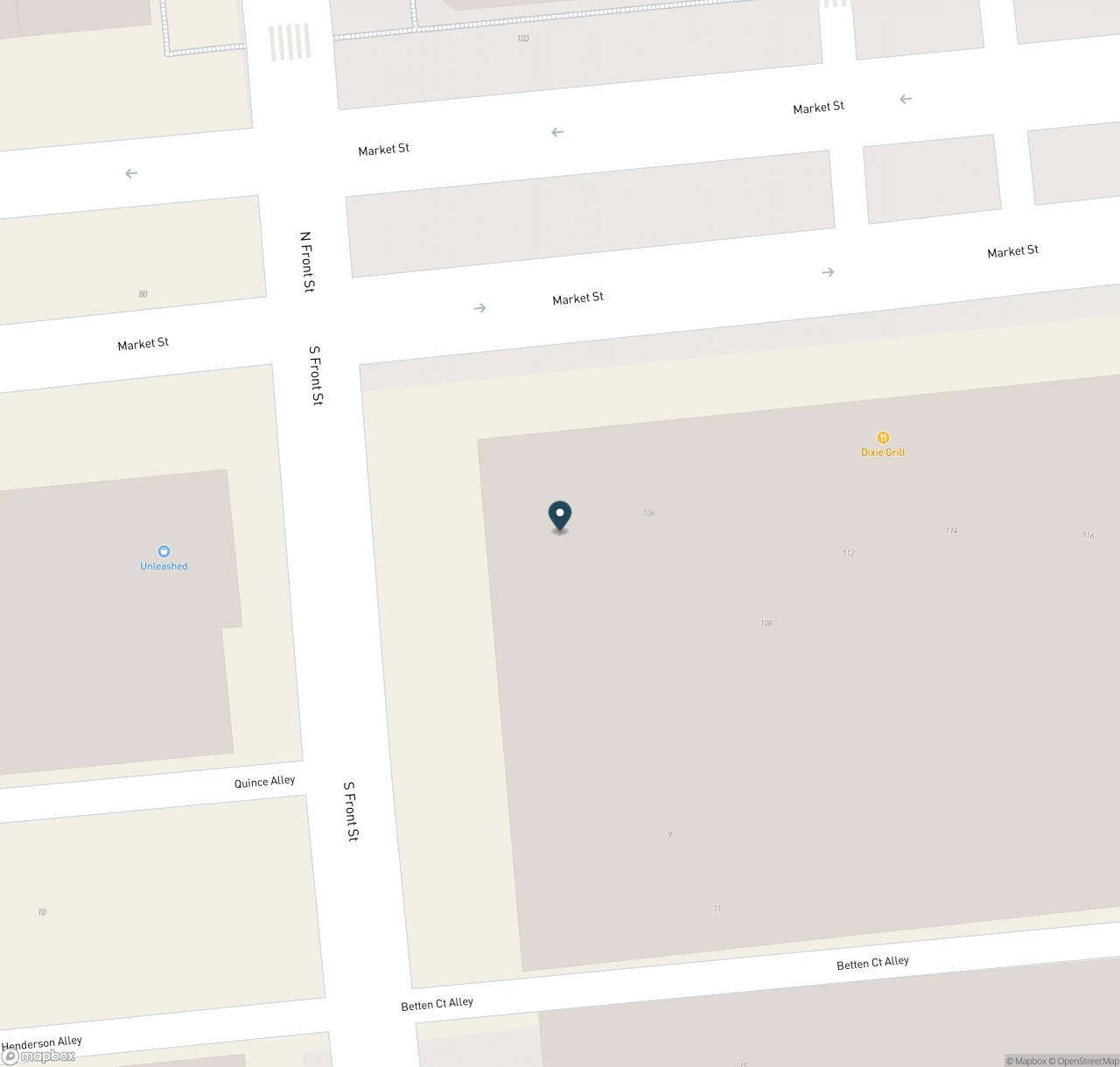
For a downtown meal centered on seasonal North Carolina seafood, start with Seabird at 1 S. Front St. The restaurant describes working with local small-scale seafood suppliers and provides a reservation link. Its current schedule closes on Tuesdays, so choose another night for this dinner.
Chef Dean Neff was a 2024 James Beard Outstanding Chef nominee. When choosing dinner, look at the current seafood offerings and ask which ones come from North Carolina that day.
Choose Seabird if you’d like the kitchen’s treatment of the catch to be a main part of the evening. For a broader group dinner, our downtown Wilmington restaurant guide covers other cuisines and dining occasions around the historic core and riverfront.
Near Wrightsville Beach: Fish House Grill
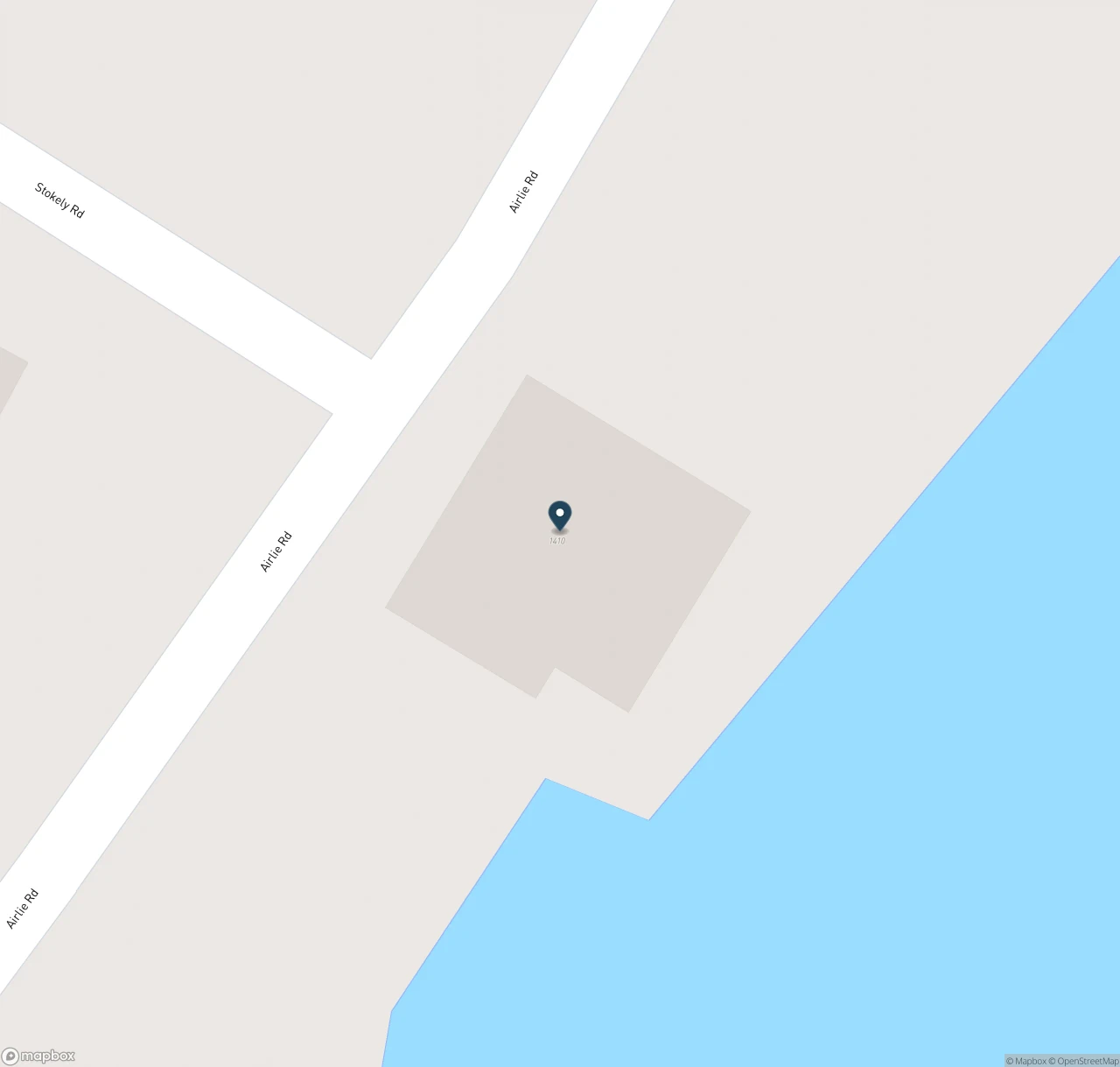
Fish House Grill sits at 1410 Airlie Road, at the foot of the Wrightsville Beach drawbridge. Its outdoor deck faces the Intracoastal Waterway. It fits a casual seafood meal when you’d like to watch boat traffic as part of the outing.
The restaurant uses first-come seating and doesn’t accept reservations or call-ahead seating. Its posted schedule is Tuesday through Sunday, with specified holiday exceptions. Give yourself flexibility about the table and timing, particularly if the deck is the reason you’re going.
Nearby Dockside is another waterfront dining option. If the view is your main priority, the Wrightsville Beach waterfront dining guide compares the area’s settings in more detail.
Carolina Beach: Michael’s Seafood Restaurant
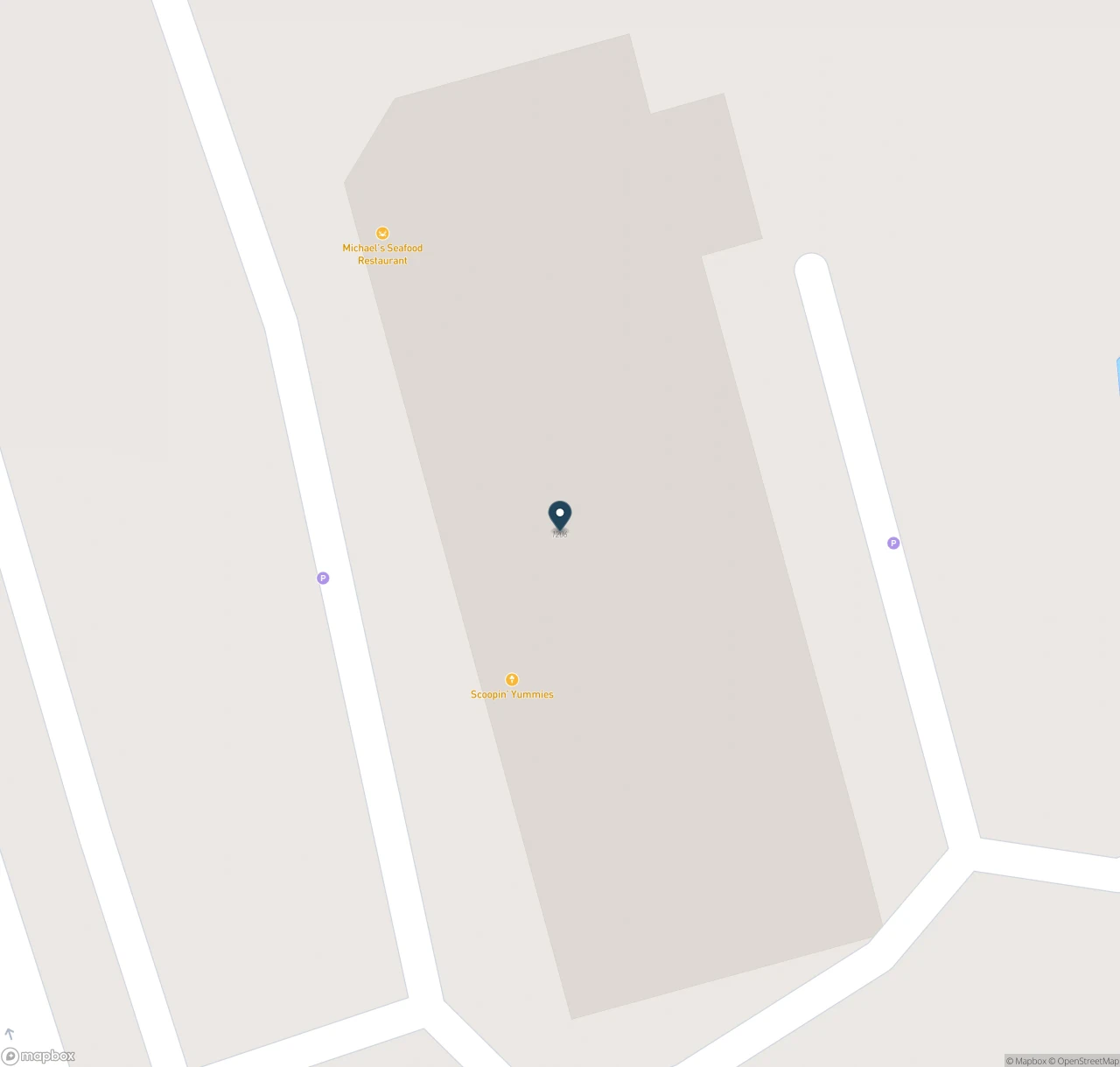
Choose Michael’s Seafood Restaurant if you’re looking for a specific seafood dish to try in Carolina Beach. At 1206 N. Lake Park Blvd., Suite A, it serves lunch and dinner and advertises first-come seating without reservations.
The restaurant’s chowder history records wins at the Great Chowder Cook-Off in Newport, Rhode Island, in 2009, 2010 and 2011. Its seafood chowder contains clams, crab meat and scallops. Try a bowl if you’d like to sample the dish behind those awards.
For meals before or after this stop, the Carolina Beach late-night and breakfast guide covers options outside this seafood lunch-or-dinner plan.
Kure Beach: Big Daddy’s and Jack Mackerel’s
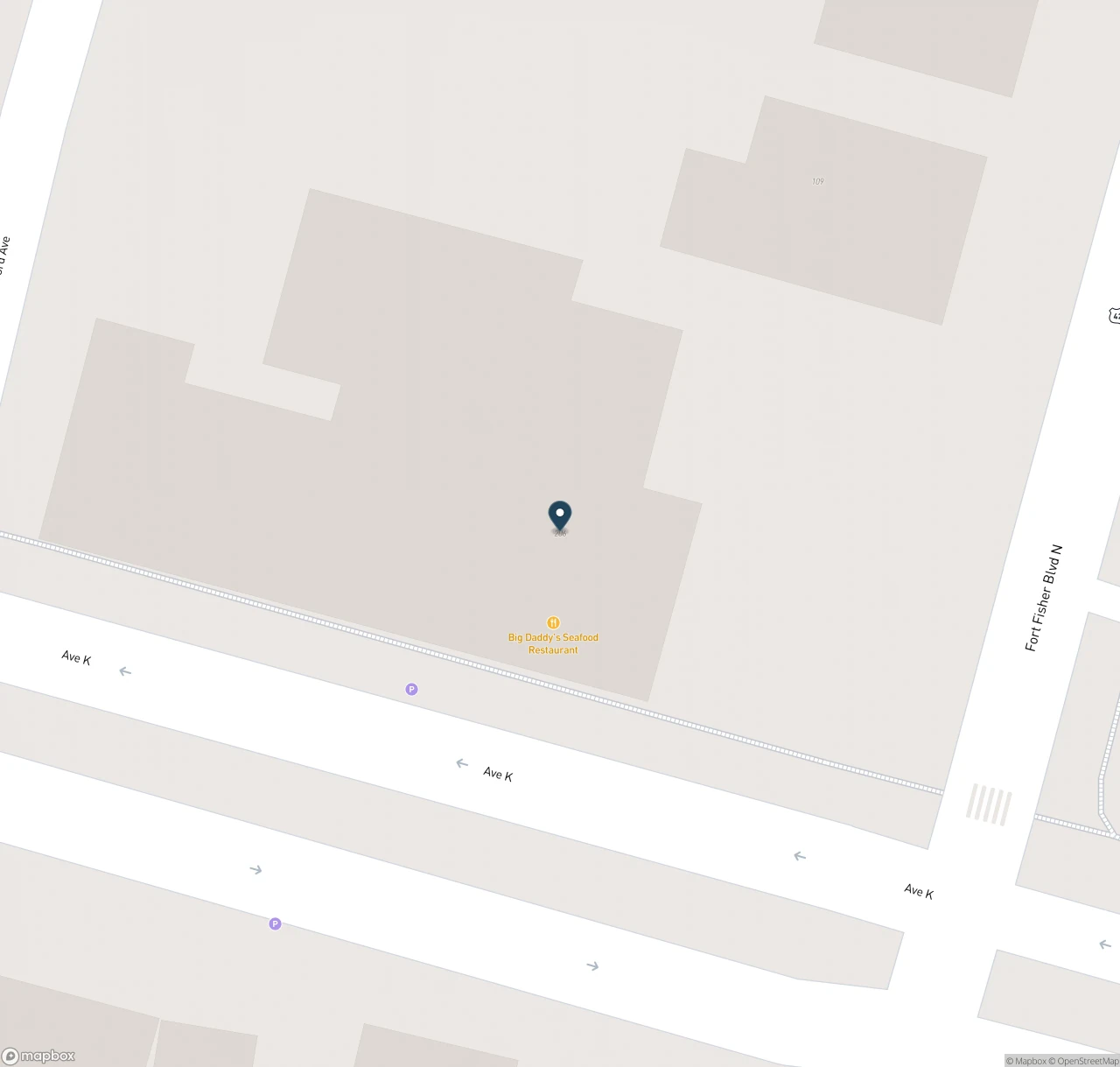
Big Daddy’s Restaurant in Kure Beach is a local option for the Calabash-style preparation described above. Its site also advertises other cooking methods, so a group can decide how it wants its seafood prepared without everyone ordering the same style.
Check the operating days particularly carefully for an off-season visit. The restaurant currently advertises fall weekend service, with Friday dinner and Saturday and Sunday lunch and dinner. That affects whether it fits your trip much more than a summer schedule you may have seen elsewhere.
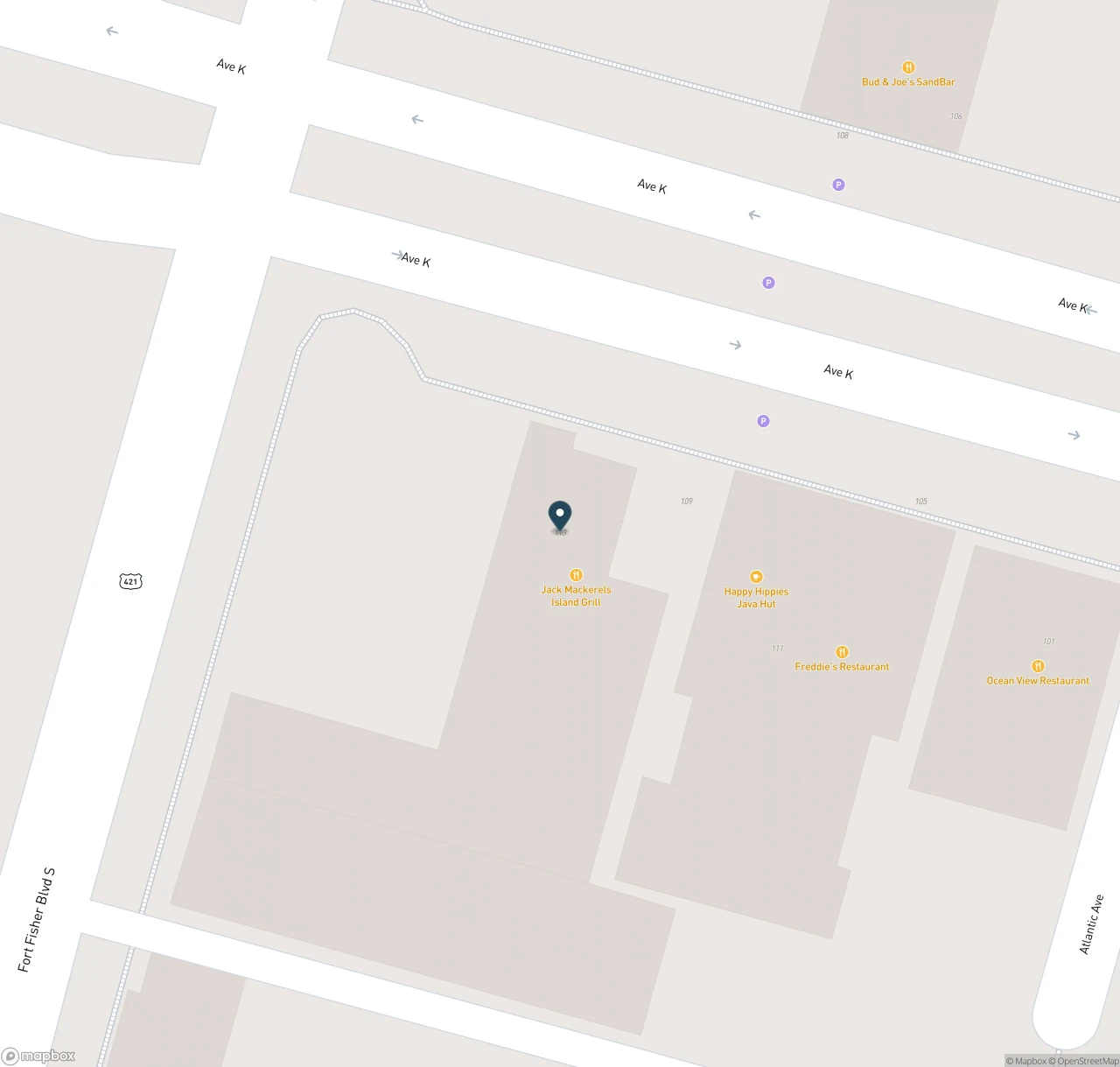
Across the street, Jack Mackerel’s Island Grill at 113 K Ave. is another choice for Calabash seafood. Its menu offers shrimp, flounder and a pick-two combination. The restaurant currently lists daily service from 11 a.m. to 9 p.m. and doesn’t accept reservations, making it an option for a midweek meal when Big Daddy’s fall schedule is limited to weekends.
Jack’s is our pick for the shrimp and flounder. On a recent visit, the breading was just right for our taste, and it was one of the best Calabash meals we’ve had in the area. We preferred it to our meal at Oceanic, where we found the seafood too heavily breaded and fried.
For more choices near the pier, use the Kure Beach restaurant guide.
Plan the meal around what you want to try
If you have one evening for seafood, decide whether you’re most interested in a particular catch, a cooking style or a place to sit. Then use that preference to choose the restaurant and the questions you ask. For a catch-focused dinner, leave room to order something different from what you expected before opening the menu.
For dinner at the rental, choose a recipe after you’ve seen what’s at the counter. Tell the fishmonger what equipment you have and how many people you’re feeding, then buy the seafood and sides for that meal. A simple pan of fish or shrimp leaves you fewer dishes to wash before tomorrow’s beach trip.